



Bringing Your Smile Back to Health
Whether you need a filling, root canal, or tooth extraction, our team provides thoughtful care to repair and restore your teeth. Restorative dentistry focuses on bringing damaged or decayed teeth back to full function and comfort.
We understand that dental problems can be stressful. That’s why we take time to explain your options, answer your questions, and ensure you feel comfortable with your treatment plan. From routine fillings to wisdom teeth removal, we’re here to help you smile with confidence again.
What Is Restorative Dentistry?
Restorative dentistry encompasses all treatments designed to repair damaged teeth and restore oral health. This includes everything from simple fillings to root canals, dental bridges, extractions, and beyond. The goal is to preserve your natural teeth whenever possible while ensuring you can eat, speak, and smile comfortably.
A restoration might be a filling that repairs a cavity, a dental crown that covers a weakened tooth, or even the removal of a tooth that can’t be saved. We use quality materials and techniques to rebuild damaged tooth structure. When teeth can’t be saved, dental implants offer a permanent replacement.
Unlike purely cosmetic procedures, restorative dentistry prioritizes function—though many restorations also improve appearance. We often combine aesthetic and restorative approaches to give you results that look natural and work beautifully.
Restore Your SmileRestore Your Smile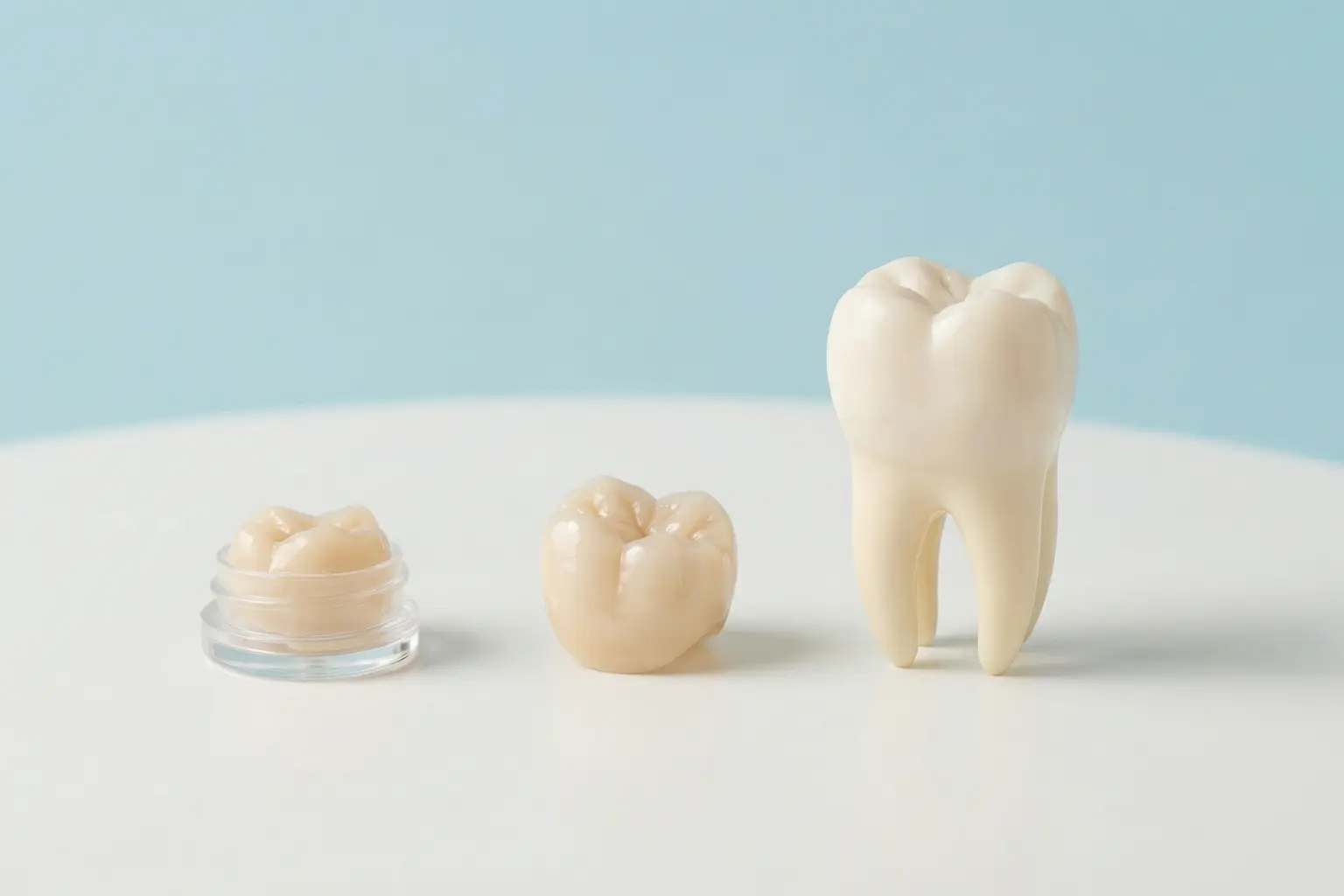
Our Restorative Approach
Every restorative treatment begins with understanding your unique situation. Here’s what to expect when you visit us for restorative dentistry services.
When You Might Need Restorative Care
Restorative dentistry can address a wide range of dental problems. You may benefit from restorative treatment if you’re experiencing any of the following.
Cavities or tooth decay requiring fillings
Cracked, chipped, or broken teeth
Teeth damaged by injury or trauma
Severe tooth pain or sensitivity
Infected teeth requiring root canal treatment
Wisdom teeth causing pain or crowding
Teeth too damaged to save (extraction needed)
Old fillings that need replacement
Missing tooth structure affecting function
If any of these sound familiar, don’t wait for the problem to worsen. Schedule an evaluation and we’ll help you understand your options for restoring your dental health.
Experiencing tooth pain or damage? Let us help.
Book a ConsultationBook a ConsultationRestorative Dentistry Treatments
We offer a comprehensive range of restorative dentistry services to address various dental concerns. Our approach focuses on preserving natural tooth structure while restoring full function.
Dental Fillings
Tooth fillings are one of the most common restorative treatments. When decay creates a cavity, we remove the damaged portion and fill the space with durable, tooth-colored material. We offer same-day appointments for most filling procedures.
Root Canal Treatment
When infection reaches the inner pulp of a tooth, root canal treatment can save it from extraction. This procedure removes the infected tissue, cleans the canal, and seals it to prevent further infection. We provide gentle root canal treatment with a focus on your comfort.
Tooth Extraction & Wisdom Teeth Removal
When a tooth is too damaged to restore or wisdom teeth are causing problems, extraction may be the best option. We offer gentle extractions, including wisdom teeth removal. Whether you need emergency extraction or a planned procedure, we ensure a comfortable experience.


Why Early Treatment Matters
The difference between addressing dental problems early and waiting can be significant. A small cavity that needs a simple filling today could become a deep infection requiring root canal treatment tomorrow. A cracked tooth that’s treatable now might break further and require extraction.
Early restorative dentistry treatments are typically less invasive, more affordable, and have better long-term outcomes. When we catch problems early, we can often preserve more of your natural tooth structure and prevent complications.
If you’re experiencing tooth pain, sensitivity, or have noticed damage, now is the time to have it evaluated. The sooner we can address the issue, the more options you’ll have.
Don’t Wait — Book TodayDon’t Wait — Book TodayRestorative Dentistry in Ottawa
At Seller & Laframboise Dentistry, we’ve been providing restorative care in Ottawa for years, helping patients repair damage, treat decay, and restore healthy smiles. Our experienced team is here to help with fillings, root canals, extractions, and more.
We understand that needing dental work can feel overwhelming. That’s why we take time to explain everything, answer your questions, and ensure you feel comfortable before any treatment begins. We focus on your comfort and long-term oral health.

FAQ
Restorative dentistry focuses on repairing damaged, decayed, or missing teeth to restore their function and appearance. This includes treatments like fillings, root canals, crowns, bridges, and extractions. The goal is to bring your teeth back to optimal health so you can eat, speak, and smile comfortably.
In dentistry, ‘restorative’ refers to any treatment that repairs or replaces damaged tooth structure. A restoration in dentistry could be as simple as a filling or as complex as a full crown. The focus is on restoring both the function and natural appearance of your teeth.
Restorative dentistry primarily addresses function—repairing damage, treating decay, and restoring the ability to chew properly. Cosmetic dentistry focuses on appearance, such as whitening or veneers. Many treatments overlap: a crown, for example, restores function while also improving aesthetics. We offer both cosmetic and restorative dentistry services.
Restorative dentistry cost varies depending on the treatment needed. A simple filling costs less than a root canal or extraction. During your consultation, we’ll provide a clear estimate so you know what to expect. Many dental insurance plans cover a portion of restorative procedures.
Modern tooth fillings are placed with local anesthesia, so you shouldn’t feel pain during the procedure. You may experience some sensitivity afterward, but this typically resolves within a few days. We take care to ensure you’re comfortable throughout the process.
Most root canal treatments can be completed in one to two appointments, depending on the complexity. Each session typically lasts about an hour. We’ll give you a clear timeline during your consultation so you know what to expect.
Root canal treatment has a reputation for being painful, but modern techniques make it quite comfortable. We use effective anesthesia, and most patients report that the procedure feels similar to getting a filling. The goal is to relieve the pain you were experiencing from the infected tooth.
Tooth extraction is recommended when a tooth is too damaged or decayed to save, when wisdom teeth are impacted or causing problems, or when teeth need to be removed for orthodontic reasons. We always explore restorative options first and only recommend extraction when it’s truly the best choice.
After wisdom teeth removal, you can expect some swelling and discomfort for a few days. We’ll provide detailed aftercare instructions and pain management recommendations. Most patients return to normal activities within a few days, though complete healing takes a couple of weeks.
Most dental insurance plans cover restorative dentistry treatments, though coverage varies by procedure and plan. Basic restorations like fillings are typically well-covered, while more extensive treatments may have different coverage levels. We’re happy to help you understand your benefits.
If decay is caught early and hasn’t reached the tooth’s pulp, a filling is usually sufficient. When decay or infection reaches the inner pulp, causing pain or abscess, root canal treatment is needed to save the tooth. An examination and X-rays help us determine which treatment you need.
Ready to Restore Your Smile?
Whether you’re dealing with tooth pain, decay, or damage, we’re here to help. We’ll explain your options, answer your questions, and create a treatment plan that works for you—no pressure, no rush.